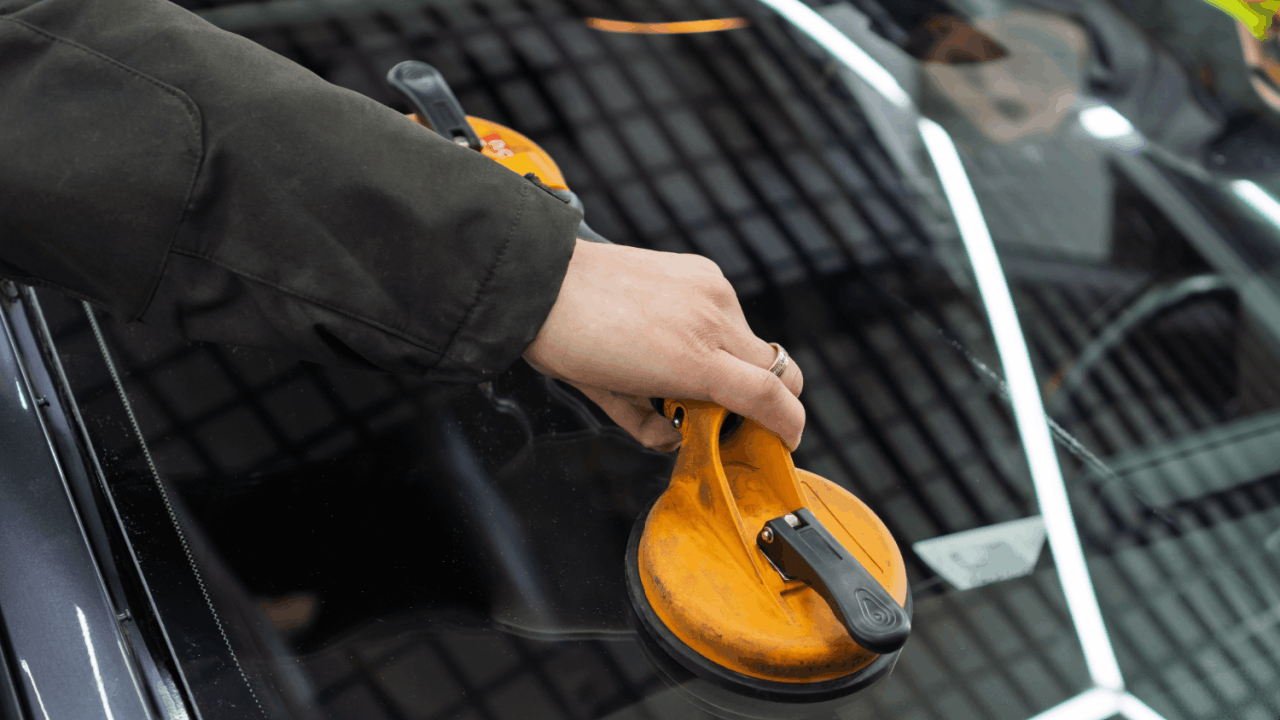
Understand The Process: What Auto Glass Repair Involves and How Technicians Approach It
Auto glass repair refers to the restoration or replacement of damaged glass components on a vehicle, most commonly the windshield, side windows, rear glass, and quarter glass panels. The appropriate service depends on the type, size, and location of the damage. Windshield repair typically addresses chips and small cracks by injecting a resin compound into the damaged area under controlled pressure. The resin is cured using ultraviolet light and then polished to restore optical clarity. This process is generally appropriate for damage that meets specific size and location criteria established by industry guidelines.
Side and rear glass replacement follows a different process depending on whether the glass is bonded, runs in a channel, or is part of a fixed panel. Technicians assess each situation individually based on the vehicle's construction. Understanding the difference between repair and replacement, and what each involves, helps you communicate clearly with providers and evaluate whether a recommended course of action is appropriate for your situation.
Damage Has Criteria: Auto Glass Repair Eligibility and Why Not All Damage Qualifies
Not every instance of windshield or glass damage qualifies for repair. The automotive glass industry follows established guidelines that define when repair is an appropriate option and when replacement is necessary.
Chip Repair Eligibility
Chips are typically assessed by their diameter. Industry standards used by organizations such as the National Windshield Repair Association (NWRA) provide technicians with criteria for determining whether a chip can be repaired effectively. Chips located in the driver's primary line of sight are generally considered ineligible for repair regardless of size, as any visual distortion in that zone presents a safety concern.
Crack Repair Eligibility
Cracks are assessed by their length, depth, and proximity to the edge of the glass. Edge cracks, which begin at the perimeter of the windshield, are typically not candidates for repair because they compromise the structural bond between the glass and the vehicle frame. Cracks that extend into the inner layer of laminated glass are also generally considered beyond the scope of repair.
Factors That Affect Repairability
Several additional factors influence whether damage is repairable. These include the presence of contamination inside the damage, the age of the damage, whether the damage has been previously treated, and the overall condition of the surrounding glass. A qualified technician performs a physical assessment before recommending a course of action.
Understanding these eligibility criteria helps you approach conversations with providers from an informed position and recognize when a replacement recommendation is consistent with industry standards rather than a departure from them.
Standards Define Quality: Auto Glass Repair Certifications and Industry Qualifications That Matter
The auto glass repair industry is supported by a set of training programs, certifications, and quality standards that help identify technicians who have met recognized benchmarks. Familiarity with these credentials supports more informed provider evaluation.
AGRSS Standard
The Auto Glass Replacement Safety Standard, commonly referred to as AGRSS, is a voluntary industry standard developed to establish minimum safety requirements for windshield replacement procedures. Shops that follow AGRSS guidelines adhere to defined protocols for adhesive selection, surface preparation, installation technique, and safe drive-away time.
NWRA Certification
The National Windshield Repair Association provides training and certification programs for technicians performing windshield chip and crack repair. NWRA-certified technicians have completed training in resin injection technique, damage assessment, and the application of industry repair criteria.
Technician-Level Certifications
Individual technicians may hold certifications from training programs offered by glass manufacturers, adhesive suppliers, or industry associations. These certifications vary in scope and rigor, and asking a provider about their technicians' specific credentials is a reasonable part of the evaluation process.
Insurance Network Participation
Some auto glass providers participate in insurance company approved networks. Participation in these networks typically requires providers to meet defined quality and documentation standards. This is one indicator among several that a shop operates within a recognized framework, though it is not the only factor worth considering.
Verifying which standards a shop follows and whether its technicians hold relevant certifications provides a more complete picture of how the provider approaches quality and safety.
Qualify Your Options: How to Evaluate an Auto Glass Repair Professional Before Making a Decision
Selecting an auto glass repair professional involves reviewing multiple factors in combination. The following steps outline a structured approach to evaluating providers before committing to a service agreement.
Confirm Technician Certifications
Ask whether the technician who will perform the work holds certifications from recognized organizations such as the NWRA or has completed manufacturer-approved training. Certifications indicate that a technician has met defined training benchmarks.
Ask About the Glass Being Used
Inquire whether the replacement glass is original equipment manufacturer glass, OEM-equivalent glass, or aftermarket glass. Each category has different production specifications. Understanding what type of glass is being used helps you make an informed decision about the materials involved in your repair or replacement.
Review the Adhesive and Safe Drive-Away Time
For windshield replacements, ask about the adhesive brand being used and the safe drive-away time the technician recommends. Safe drive-away time is the minimum period that must pass after installation before the vehicle can be safely operated. This figure varies based on the adhesive used and ambient conditions.
Request a Written Service Summary
Ask for documentation that outlines the scope of work, the materials being used, the installation standard being followed, and any applicable warranty terms. Written documentation provides a reference point and supports comparison across multiple providers.
Check for Recalibration Services
Many modern vehicles are equipped with advanced driver assistance systems that include cameras and sensors mounted near or on the windshield. Windshield replacement on these vehicles often requires recalibration of these systems after installation. Confirm whether the provider offers this service or coordinates it with a qualified facility, as incomplete recalibration can affect the function of safety systems.
Review Independent Feedback
Consult reviews on independent platforms to understand how previous customers have described their experience. Pay attention to comments about installation quality, communication, and whether any issues were addressed after the service was completed.
Compare Multiple Providers
Requesting documentation and information from more than one provider allows you to compare approaches, materials, and service scope before making a decision. Consistency in the information a provider offers is generally a sign of transparency.
Applying this process across multiple providers supports a more informed hiring decision based on documented criteria rather than convenience alone.
Vehicles Have Changed: Auto Glass Repair Considerations for Modern Vehicles With Advanced Systems
Vehicle technology has introduced considerations in auto glass repair and replacement that were not relevant to older vehicles. Understanding these factors is increasingly important when working with technicians on newer models.
Advanced Driver Assistance Systems
Many vehicles produced in recent years include advanced driver assistance systems, commonly referred to as ADAS. These systems use cameras, radar, and sensors to support functions such as lane departure warning, forward collision alert, and automatic emergency braking. On many vehicles, the forward-facing camera for these systems is mounted at or near the windshield.
When a windshield is replaced on a vehicle equipped with ADAS, the camera mounting position relative to the new glass may shift. This can affect the calibration of the system. Recalibration is typically required after windshield replacement on ADAS-equipped vehicles to restore the system to its intended operating parameters.
Acoustic and Heated Glass
Some vehicles are equipped with acoustic laminated glass or electrically heated windshields. These glass types have specific construction characteristics that require compatible replacement materials. Installing a non-compatible glass unit on a vehicle with these features may affect sound insulation or heating function.
Heads-Up Display Compatibility
Vehicles with heads-up display systems project information onto the windshield using a defined optical surface. Replacement glass for these vehicles must meet the optical specifications of the original unit. Installing a standard replacement glass on a heads-up display equipped vehicle can result in image distortion or double imaging.
Discussing your vehicle's specific features with a provider before agreeing to service helps confirm that the provider is equipped and informed to handle your vehicle's requirements appropriately.
Preparation Supports Clarity: What to Do Before Contacting an Auto Glass Repair Provider
Preparing relevant information before reaching out to providers helps you have more productive conversations and gather estimates that reflect the actual scope of work. Document the damage thoroughly before contacting anyone. Clear photographs taken in daylight that show the full damage area, its location on the glass, and its proximity to edges or the driver's line of sight give providers useful context when discussing options remotely.
Determine whether your vehicle has any of the features discussed in the previous section, such as ADAS, heads-up display, acoustic glass, or a heated windshield. This information helps providers identify the correct glass specification and clarify whether recalibration services will be required.
Prepare a consistent set of questions to ask each provider you contact. Asking the same questions across multiple shops makes it easier to compare responses and identify differences in how providers approach materials, installation standards, and documentation. Arriving at provider conversations with this information prepared generally results in more specific and transparent communication from the shop and supports more accurate estimates.
Research Guide Decisions: Choosing an Auto Glass Repair Professional With an Informed Perspective
Selecting an auto glass repair professional is a decision with direct implications for vehicle safety. The information in this guide is intended to support the research and comparison process by explaining how the service works, what qualifications are relevant, and what factors are worth evaluating before making a hiring decision.
No specific outcome can be assured in advance of any service engagement. The factors outlined here represent general educational guidance rather than a guarantee of any particular result. Individual experiences will vary based on the technician performing the work, the materials used, the condition of the vehicle, and the nature of the damage being addressed.
Taking time to compare providers, verify credentials, and request written documentation is a practical approach to making a more informed decision when selecting an auto glass repair professional.
Begin Exploring Now: Find and Compare Auto Glass Repair Professionals on NextQuote
NextQuote is an informational platform designed to help vehicle owners locate and compare verified auto glass repair professionals. Users can review provider listings, access available information, and submit quote requests to multiple professionals without having to research each shop individually.
The platform serves as a research and comparison tool. NextQuote does not guarantee the performance or quality of any service provider listed on the platform, and all information is provided for general informational purposes only. Customers are advised to register your business and perform their own due diligence before committing to any service agreement.
To begin comparing auto glass repair professionals in your area, contact us today or explore available providers at NextQuote.com
Frequently Asked Questions
-
What is auto glass repair and when is it used instead of replacement?
Auto glass repair is the process of restoring chipped or cracked glass without removing it from the vehicle. It is used when damage meets specific size, location, and condition criteria established by industry guidelines. When damage exceeds those criteria or compromises structural integrity, replacement is the appropriate course of action.
-
What certifications should an auto glass repair technician have?
Relevant credentials include certification from the National Windshield Repair Association and completion of manufacturer or adhesive supplier training programs. Shops that follow the Auto Glass Replacement Safety Standard operate within a defined framework for installation procedures. Asking about specific credentials before committing to a provider is a reasonable evaluation step.
-
Does windshield replacement require recalibration on newer vehicles?
On vehicles equipped with advanced driver assistance systems, windshield replacement often requires recalibration of the forward-facing camera or other sensors mounted near the glass. Recalibration restores the system to its intended operating parameters after the new glass is installed. Confirming whether a provider offers or coordinates this service is an important step for owners of ADAS-equipped vehicles.
-
What type of glass should be used for auto glass replacement?
Replacement glass is generally categorized as original equipment manufacturer glass, OEM-equivalent glass, or aftermarket glass. Each has different production specifications. For vehicles with special features such as heads-up display or acoustic lamination, compatible glass specifications are required. Asking your provider about the glass category being used supports a more informed decision.
-
How long should I wait before driving after a windshield replacement?
Safe drive-away time varies based on the adhesive used and the ambient temperature and humidity at the time of installation. Technicians following recognized installation standards will provide a specific safe drive-away time based on these conditions. Driving before the adhesive has cured adequately can affect the structural performance of the installation.
Key Takeaways
-
Auto glass repair is a safety-relevant service and the appropriate course of action, whether repair or replacement, depends on criteria defined by industry guidelines.
-
Certifications from organizations such as the NWRA and adherence to the AGRSS standard are meaningful indicators of a technician's training and a shop's installation practices.
-
Modern vehicles with ADAS, heads-up display, acoustic glass, or heated windshields require specific materials and may require recalibration after windshield replacement.
-
Evaluating providers based on technician credentials, glass type, adhesive standards, recalibration capability, and written documentation supports a more complete comparison.
-
NextQuote is an informational platform where vehicle owners can locate verified auto glass repair professionals, compare providers, and submit quote requests for independent review and consideration.