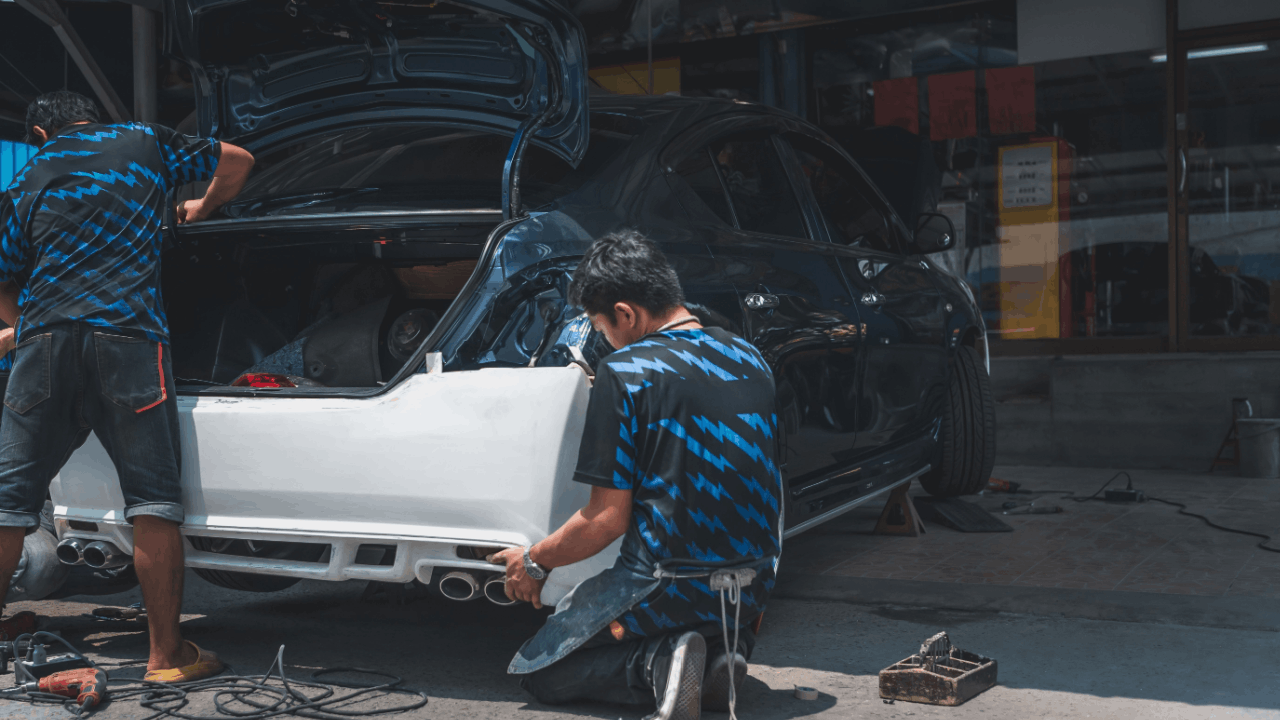
Body Shop Repair: Breaking Down Service Categories and Scope
Body shop repair is not a single service — it is a broad category that includes structural work, exterior panel restoration, refinishing, and mechanical alignment. Understanding what falls under each category helps vehicle owners set accurate expectations before bringing a vehicle in for assessment. Structural repair addresses damage to the vehicle's frame or unibody. Modern vehicles use either a body-on-frame or unibody construction. Unibody vehicles, which make up the majority of passenger cars and crossovers today, absorb collision energy through engineered crumple zones. Repairing this type of damage requires specialized frame straightening equipment and precise measurement systems to restore the vehicle to factory tolerances.
Non-structural repair covers exterior panels, bumper covers, and trim components that do not directly affect the vehicle's load-bearing structure. While this category involves less technical complexity than frame work, proper panel alignment, surface preparation, and finish matching still require trained technicians and calibrated equipment. Refinishing refers to the painting process, which includes surface preparation, primer application, base coat, and clear coat. Color matching on modern vehicles involves computerized paint mixing systems that account for the vehicle's original paint code and any color variation caused by weathering or prior repairs.
Mechanical realignment may be required after a collision affects suspension geometry, steering components, or wheel alignment. This work is often completed in conjunction with body repairs but may require coordination between body technicians and mechanical specialists. Knowing which of these service categories applies to your vehicle's damage helps you evaluate whether a shop has the appropriate equipment and expertise for the specific work required.
Damage Assessment: What Happens During a Body Shop Repair Estimate
The damage assessment process is the foundation of any body shop repair. How a shop conducts its estimate reveals a great deal about its standards, transparency, and technical depth.
A surface-level visual inspection identifies obvious exterior damage but may not capture the full scope of the repair needed. Experienced estimators look beyond visible damage to identify secondary impacts — areas where force transferred during a collision may have affected adjacent components that appear undamaged on the surface.
Computerized estimating systems such as CCC ONE, Mitchell, and Audatex are widely used in the collision repair industry. These platforms pull vehicle-specific data to generate repair cost calculations based on labor times, part pricing, and operation codes. Insurers and shops typically use the same platforms, which supports a standardized basis for repair documentation.
Teardown estimates represent a more thorough approach. Rather than estimating from the exterior only, teardown estimating involves partially disassembling the damaged area to identify all affected components before a final repair plan is established. This approach reduces the likelihood of supplemental charges appearing midway through the repair.
When you receive an estimate, review it for the following:
-
Clear itemization of parts, labor, and materials
-
Identification of whether parts are OEM, aftermarket, or salvage
-
Documentation of any structural measurements or alignment procedures
-
Notation of any additional diagnostic steps required
An estimate that lacks itemization or uses vague category descriptions makes it difficult to compare providers or understand what work is actually being authorized. Requesting a written, itemized estimate before approving any repair is a reasonable and standard practice.
Technician Training: Credentials That Reflect Body Shop Repair Standards
The quality of a body shop repair depends significantly on the training and credentials of the technicians performing the work. Several industry organizations maintain certification programs that reflect current repair standards and technical competency.
I-CAR (Inter-Industry Conference on Auto Collision Repair) is the primary training organization for the collision repair industry in North America. I-CAR offers role-specific training programs for estimators, structural technicians, refinishing technicians, and shop managers. The I-CAR Gold Class designation is awarded to shops where all roles maintain current training levels. It is the highest shop-level recognition in the collision repair industry and indicates a commitment to ongoing education rather than a one-time qualification.
ASE (Automotive Service Excellence) offers collision repair certifications in several categories, including damage analysis, non-structural repair, structural repair, and refinishing. ASE certifications require passing a standardized knowledge exam and demonstrating hands-on experience. Recertification is required periodically to maintain active status.
Some vehicle manufacturers also offer OEM certification programs for repair shops. These programs train and equip shops to repair specific brands according to the manufacturer's documented procedures. Manufacturer-certified shops may have access to proprietary repair information, specialized tooling, and direct technical support from the automaker.
When evaluating a shop, ask whether technicians hold current I-CAR or ASE credentials and whether the shop participates in any manufacturer certification programs relevant to your vehicle brand. Shops that actively maintain technician training are more likely to follow updated repair procedures, which matters increasingly as vehicle construction materials and safety systems grow more complex.
Evaluating a Shop: Seven Steps to a Well-Informed Body Shop Repair Decision
Choosing a body shop repair provider requires looking at several factors beyond the estimate amount. The following steps support a structured evaluation process.
1. Confirm technician credentials: Ask specifically whether the shop holds I-CAR Gold Class status and whether individual technicians carry current ASE certifications in relevant repair categories.
2. Ask about equipment: Frame straightening, measuring systems, and paint mixing equipment vary significantly across shops. Ask whether the shop owns or outsources structural repair and refinishing work.
3. Review the written estimate carefully: Verify that the estimate is itemized, identifies part sources, and documents the scope of structural work if applicable.
4. Ask about the repair process timeline: A shop should be able to provide a realistic timeframe based on parts availability, current workload, and the scope of the repair. Vague or uncommitted timelines may indicate scheduling or workflow issues.
5. Understand the warranty terms: Ask what the shop's repair warranty covers and for how long. A clearly documented warranty policy is a standard feature of reputable body shop repair providers.
6. Assess communication practices: Ask how the shop communicates repair progress — whether through a dedicated contact, written updates, or a customer portal. Clear communication during the repair process reduces misunderstandings.
7. Look at how the shop handles disputes: Ask what process the shop follows if a repair does not meet the customer's expectations. A shop with a defined resolution process demonstrates accountability.
These steps apply whether you are filing an insurance claim or paying out of pocket. The evaluation process remains the same regardless of payment source.
Vehicle Technology: How Modern Systems Affect Body Shop Repair Complexity
Body shop repair has grown more technically complex as vehicles incorporate advanced safety and driver assistance systems. Technicians today need familiarity with materials, systems, and repair procedures that were not part of the industry even a decade ago.
Advanced high-strength steel (AHSS) and aluminum are now common in vehicle construction. These materials require different welding techniques, cutting tools, and heat management protocols compared to traditional mild steel. Improper repair of AHSS or aluminum panels can compromise the material's engineered properties and affect how the vehicle responds in a future collision.
Sensors and cameras embedded in bumper covers, mirrors, and body panels connect to ADAS systems that control features such as blind-spot monitoring, rear cross-traffic alerts, and parking assistance. Replacing or repairing these panels without addressing the embedded sensors can render these systems inoperative or inaccurate.
Aluminum-intensive vehicles, such as certain truck and SUV platforms, require shops to maintain fully separate aluminum repair areas to prevent cross-contamination with steel particles that can cause corrosion. Not all shops have this capability, so confirming whether a shop is equipped to handle aluminum-intensive repairs is relevant for owners of these vehicles.
OEM repair procedures published by vehicle manufacturers specify how repairs must be performed to maintain structural and safety system integrity. Following these procedures matters most for vehicles with complex construction or integrated safety technology. Asking a shop whether they access and follow OEM repair documentation for your vehicle model is a reasonable question that reveals how they approach technical standards.
What to Expect: Navigating the Body Shop Repair Process From Start to Finish
Understanding the typical sequence of a body shop repair helps vehicle owners know what to expect at each stage and what questions are appropriate to ask along the way. The process generally begins with an intake inspection and written estimate. If the repair involves an insurance claim, the insurer may conduct their own inspection or work from the shop's estimate through a direct repair program arrangement. Confirm with your insurer whether you have the right to select your own repair facility, as this is protected in many states.
Parts are ordered once the repair plan is approved. Lead times for parts vary depending on whether OEM, aftermarket, or salvage components are being sourced. Structural repairs are typically completed before refinishing begins, as paint work requires a stable and properly aligned surface. Final quality inspection should occur before you take delivery. Walk around the vehicle and compare the repaired areas to adjacent panels for alignment, color match, and finish consistency. Ask the shop to review the completed repair documentation with you, including any supplemental work added during the repair process.
Find What Matters: Explore Body Shop Repair Providers on NextQuote
When you are ready to research body shop repair options, NextQuote offers a platform where vehicle owners can connect with verified repair providers, review service information, and request quotes tailored to their specific situation. Rather than spending time contacting individual shops, NextQuote consolidates provider information into a single, easy-to-navigate platform, allowing you to make a more confident and informed decision before committing to a repair facility.
The platform is intended as a research and comparison tool, and users are encouraged to conduct their own due diligence when evaluating any listed professional. If you operate a body shop and want to reach more customers, join our network and start receiving quote requests today. Visit NextQuote.com or send us a message to get started.
Frequently Asked Questions
-
What Does I-CAR Gold Class Mean for a Body Shop Repair Facility?
I-CAR Gold Class is the collision repair industry's highest shop-level training designation. It means that all key roles within the shop — including estimators, structural technicians, and refinishing specialists — maintain current I-CAR training. It reflects ongoing education rather than a one-time certification and is awarded and reviewed annually.
-
How Do I Know If a Body Shop Repair Estimate Is Complete?
A complete body shop repair estimate should be fully itemized, identifying each part by type and source, associated labor operations, and any required diagnostic or alignment procedures. Estimates that group charges into broad categories without detail make it harder to understand the scope of work or compare providers accurately.
-
What Is the Difference Between Structural and Non-Structural Body Shop Repair?
Structural body shop repair addresses damage to the vehicle's frame or unibody, requiring specialized measuring and straightening equipment to restore factory tolerances. Non-structural repair covers exterior panels and trim that do not affect load-bearing components. Both require trained technicians, but structural repairs involve higher technical complexity and specialized tooling.
-
Do All Body Shops Follow OEM Repair Procedures?
Not all body shop repair facilities access or follow OEM repair procedures. Manufacturer-certified shops are trained and equipped to repair specific vehicle brands according to documented factory procedures. For vehicles with complex construction or integrated safety systems, asking a shop whether they use OEM repair documentation is a relevant part of the evaluation process.
-
Can I Choose My Own Body Shop Repair Facility After an Insurance Claim?
In most states, vehicle owners have the right to select their own body shop repair facility after an insurance claim, regardless of which shops an insurer recommends. Confirming this right directly with your insurer before selecting a shop is recommended, as program arrangements between insurers and shops can create confusion about this option.
Key Takeaways
-
Body shop repair includes structural, non-structural, refinishing, and mechanical realignment services, each requiring different equipment and technician expertise.
-
I-CAR Gold Class and ASE certifications are the primary credentials indicating that a shop and its technicians maintain current collision repair training standards.
-
A complete, itemized estimate that identifies part sources and documents structural procedures is a baseline standard for any reputable repair provider.
-
Modern vehicles with AHSS, aluminum construction, or ADAS components require shops with specific equipment, materials knowledge, and access to OEM repair documentation.
-
Vehicle owners generally have the right to select their own repair facility after an insurance claim, independent of insurer recommendations.