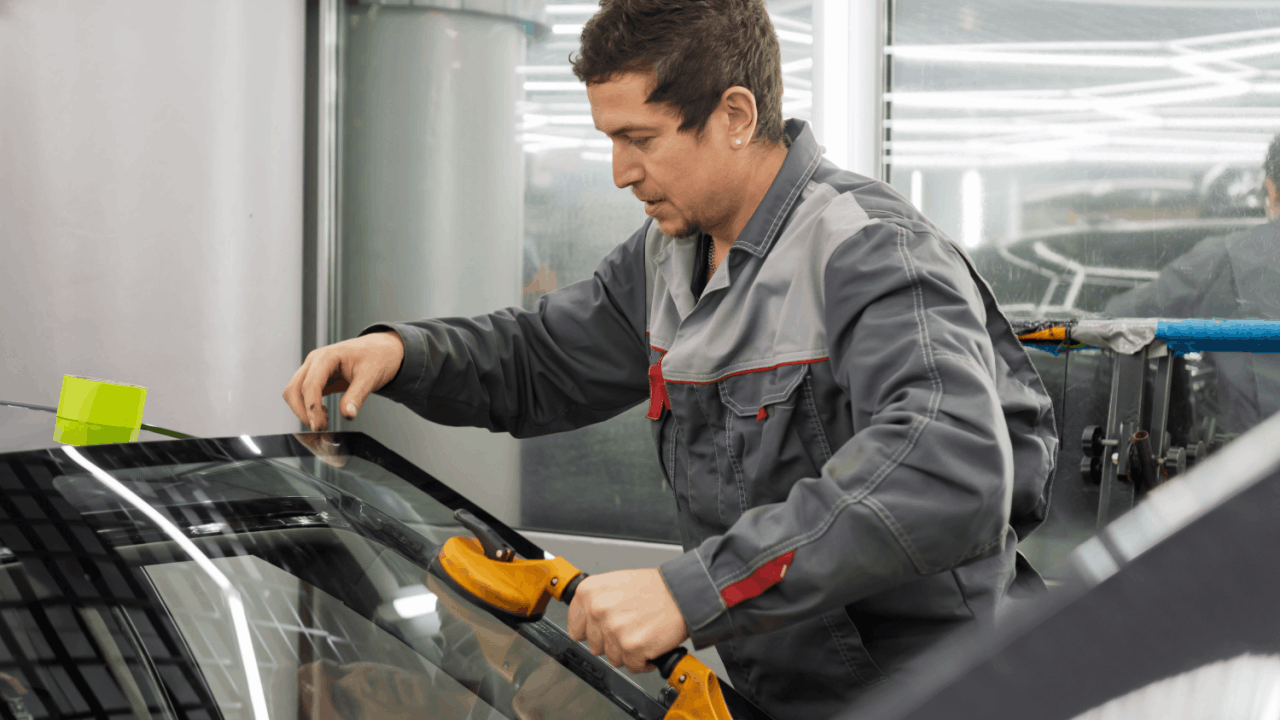
Car Window Replacement: Understanding Glass Types and Their Safety Roles
Not all automotive glass is the same. Your vehicle uses different glass compositions depending on the window's location and safety function. Laminated glass is used for windshields. It consists of two layers of glass bonded to a plastic interlayer. This design prevents the windshield from shattering into sharp pieces on impact, reducing injury risk during a collision. The laminated structure also helps the windshield maintain its shape, supporting the vehicle's structural integrity.
Tempered glass is used for side windows and rear windows. It is heat-treated to increase strength and, when broken, crumbles into small, rounded pieces rather than jagged shards. Tempered glass cannot be repaired — only replaced. Some newer vehicles feature acoustic glass, which includes an additional layer to dampen road noise. Others have heated glass embedded with defroster filaments, or windows with sensors integrated into the glass surface for rain detection or heads-up display (HUD) compatibility.
Car window replacement is one of the most common auto glass services drivers face, yet most people have little idea what the process actually involves. Whether a rock chip has spread into a full crack or a side window has shattered entirely, knowing how to navigate your options makes a meaningful difference. This guide explains the types of auto glass, when repair is sufficient versus when full replacement is necessary, what credentials to look for in a technician, and how to approach the process with confidence.
Understanding which type of glass your vehicle requires is the first step in knowing what a replacement job actually entails. Using the wrong glass type — or a glass product that lacks OEM-equivalent specifications — can compromise safety features and void warranties.
Car Window Damage: Knowing When Repair Is the Right Call
A common question drivers ask is whether a damaged window can be repaired rather than replaced. The answer depends on the type, size, and location of the damage.
For windshields, small chips and cracks that are shorter than a few inches and located away from the driver's line of sight may be candidates for resin injection repair. In this process, a technician injects a clear resin into the damaged area, which bonds to the glass and restores structural integrity. A properly completed repair can prevent further spreading and restore visibility.
However, not all damage qualifies for repair. Cracks that reach the edge of the windshield, damage in the driver's direct sightline, deep pits, or chips larger than a quarter typically require full replacement. Any crack that has spread significantly or compromised the inner laminate layer will not hold a resin repair reliably.
For side windows and rear windows made of tempered glass, repair is not an option. Once these windows break, replacement is the only solution.
It is worth having a qualified auto glass technician assess the damage before assuming replacement is needed — or assuming repair will be sufficient. Misidentifying the damage type can lead to an inadequate fix that fails later.
Auto Glass Credentials: What Certification Standards Actually Mean
When selecting a car window replacement provider, credentials matter. The auto glass industry has professional standards designed to ensure safe installations, and knowing what to look for helps you identify qualified technicians.
AGRSS (Auto Glass Replacement Safety Standard) is the primary safety standard governing the auto glass industry in the United States. Technicians and shops that follow AGRSS guidelines adhere to specific protocols for adhesive use, curing time, and installation procedures. This standard was developed to prevent premature airbag deployment failures and roof collapse in accidents caused by improperly installed windshields.
NGA (National Glass Association) offers certification programs for auto glass technicians. NGA-certified technicians have demonstrated knowledge of proper installation techniques, glass types, and safety protocols.
ROLAGS (Right-to-Life Auto Glass Safety) is another certification framework focused on life-safety outcomes from windshield installations.
When evaluating a shop or mobile technician, ask directly whether they follow AGRSS standards and whether their technicians hold any professional certifications. A reputable provider will have no hesitation answering these questions.
Additionally, verify that the shop uses OEM (Original Equipment Manufacturer) or OEE (Original Equipment Equivalent) glass. OEM glass is made by the same manufacturer as the original. OEE glass meets the same specifications but is produced by a different approved manufacturer. Both are generally considered acceptable. Be cautious of aftermarket glass that lacks equivalent specifications — it may not properly support safety systems built into modern vehicles.
ADAS Technology: How Modern Systems Affect Windshield Replacement Today
Modern vehicles increasingly rely on windshield-mounted technology that directly affects the complexity of a car window replacement job. ADAS (Advanced Driver Assistance Systems) includes features like lane departure warning, automatic emergency braking, forward collision alerts, and adaptive cruise control. Many of these systems depend on cameras or sensors mounted at or near the windshield.
When a windshield equipped with ADAS components is replaced, the system typically requires recalibration afterward. There are two types of calibration:
1. Static calibration — performed in a controlled indoor environment using specific targets placed at measured distances from the vehicle.
2. Dynamic calibration — performed while driving the vehicle under specific conditions so the system can reset using real-world data.
Some vehicles require both types. Skipping recalibration after windshield replacement can result in ADAS systems functioning inaccurately, which creates a genuine safety risk.
Not all auto glass shops offer ADAS recalibration. If your vehicle has any driver assistance features, confirm before booking that the provider has the equipment and training to perform the required calibration. Ask the technician to specify which calibration method your vehicle requires and whether it will be completed as part of the service.
This is an area where working with a certified, experienced shop becomes especially important. An improperly recalibrated system may not trigger warnings or interventions at the right moment.
Choosing a Technician: How to Evaluate Car Window Replacement Providers
Choosing a qualified auto glass technician requires more than finding the lowest price. The following steps can help you make a well-informed decision.
1. Verify certifications: Ask whether the technician or shop holds NGA certification or follows AGRSS standards. These credentials indicate a baseline of professional training.
2. Ask about the glass source: Confirm whether the shop uses OEM or OEE glass. Ask the provider to identify the glass manufacturer and confirm it meets your vehicle's specifications.
3. Confirm adhesive and curing standards: Windshield installation relies on urethane adhesive, which requires a minimum safe drive-away time to cure. Ask the technician what curing time they follow and what adhesive they use.
4. Inquire about ADAS recalibration: If your vehicle has driver assistance technology, ask specifically whether recalibration is included and how it will be performed.
5. Check reviews and reputation: Look for consistent feedback from customers regarding installation quality, customer service, and follow-up support. Pay attention to how the business responds to complaints.
6. Request written documentation: A reputable provider should supply a written record of the work performed, the glass used, and the adhesive applied. This documentation can matter if a warranty claim or inspection arises later.
7. Understand the warranty: Ask what the warranty covers — specifically whether it applies to the glass itself, the installation labor, and any recalibration work performed.
Taking the time to ask these questions upfront helps you avoid situations where a low-cost option results in a poorly installed windshield or an improperly recalibrated safety system.
Insurance and Logistics: Practical Considerations Before Scheduling Service
Many drivers have auto insurance policies that include comprehensive coverage, which typically covers glass damage from events like rock chips, weather, or vandalism. Whether a claim is worth filing depends on your deductible amount and the scope of the damage.
Some insurers work with preferred glass providers through direct billing arrangements. You generally have the right to choose your own provider — not just the one your insurer recommends. Confirming this with your insurance company before scheduling service can prevent unexpected billing disputes.
Mobile auto glass service has become widely available, allowing technicians to come to your home, workplace, or other location to perform the replacement. Mobile service is convenient but comes with important considerations. The installation environment must be reasonably protected from wind, moisture, and extreme temperatures, as these can affect adhesive curing. Ask the mobile technician what conditions they require before booking.
Rental vehicles present another consideration. If you are driving a leased or rented car, check the agreement before authorizing any glass work. Some agreements require prior authorization, and using a non-approved vendor may create liability.
Finally, if you purchased your vehicle recently, check whether the manufacturer warranty or an extended service contract includes glass coverage. Some plans cover damage to OEM glass under specific circumstances.
Preparing Ahead: What to Confirm Before Your Replacement Appointment
Taking the time to prepare before your car window replacement appointment helps the process go more smoothly. Gather your vehicle registration and insurance documentation. Confirm the make, model, year, and trim level of your vehicle, as glass specifications vary by trim. Note any special features on your current glass — such as a rain sensor, HUD support, or heated filaments — so the replacement glass matches.
If your windshield has an embedded antenna for radio or telematics, confirm that the replacement includes the same feature. Losing antenna functionality is a common complaint when drivers do not verify this in advance.
Carefully read any paperwork before signing. Understand what work is being authorized, what materials will be used, and what the final cost covers.
Evaluate Your Options: Find Verified Providers
If you need to evaluate your options for car window replacement, NextQuote provides a platform where vehicle owners can connect with qualified auto glass professionals, compare available providers, and request quotes specific to their vehicle and service requirements. Rather than conducting independent searches across multiple sources, NextQuote consolidates relevant provider information into a single, structured platform to support a more thorough and informed comparison.
It is intended solely as an informational and research resource. NextQuote does not warrant or guarantee the workmanship of any listed provider, and all users are advised to conduct their own due diligence before entering into any service agreement. Auto glass businesses seeking to increase their exposure to local clientele are encouraged to join our platform and begin receiving quote requests today. For any enquiries regarding platform features or general assistance, please submit your enquiry and a member of our team will respond promptly.
Frequently Asked Questions
-
How long does car window replacement typically take?
Car window replacement for a standard windshield usually takes between one and two hours for the physical installation. However, safe drive-away time depends on the adhesive used and can range from one hour to several hours. ADAS recalibration, if required, may add additional time to the appointment.
-
Can I drive immediately after car window replacement?
You should wait for the adhesive to reach its minimum safe drive-away time as specified by the technician. Driving before the urethane adhesive has cured can compromise the windshield seal and, in a collision, may prevent the windshield from properly supporting airbag deployment and roof integrity.
-
What is AGRSS and why does it matter for car window replacement?
AGRSS stands for Auto Glass Replacement Safety Standard. It is the industry benchmark for safe windshield installation practices, covering adhesive selection, application procedures, and curing requirements. A shop that follows AGRSS standards is working within a framework designed to protect vehicle occupants in the event of a collision.
-
Does car window replacement require recalibration of safety systems?
If your vehicle is equipped with ADAS technology — such as lane departure warning or automatic emergency braking — windshield replacement typically requires recalibration of the cameras or sensors mounted near the glass. Not all shops offer this service, so confirm calibration capability before booking.
-
What is the difference between OEM and aftermarket auto glass?
OEM glass is manufactured to the same specifications as the original glass installed at the factory. OEE glass meets equivalent specifications from a different approved manufacturer. Aftermarket glass may not meet the same standards and could affect the fit, optical clarity, or performance of safety systems integrated with the windshield.
Key Takeaways
-
Auto glass includes laminated windshields and tempered side and rear windows, each with different repair and replacement requirements.
-
Small windshield chips may qualify for resin repair, but cracks reaching the glass edge or in the driver's sightline typically require full replacement.
-
Technicians and shops following AGRSS standards and holding NGA certification have demonstrated adherence to professional installation protocols.
-
Vehicles with ADAS features require post-replacement recalibration to ensure driver assistance systems function accurately.
-
Verifying glass type, adhesive standards, recalibration capability, and warranty terms before booking helps you select a qualified provider.