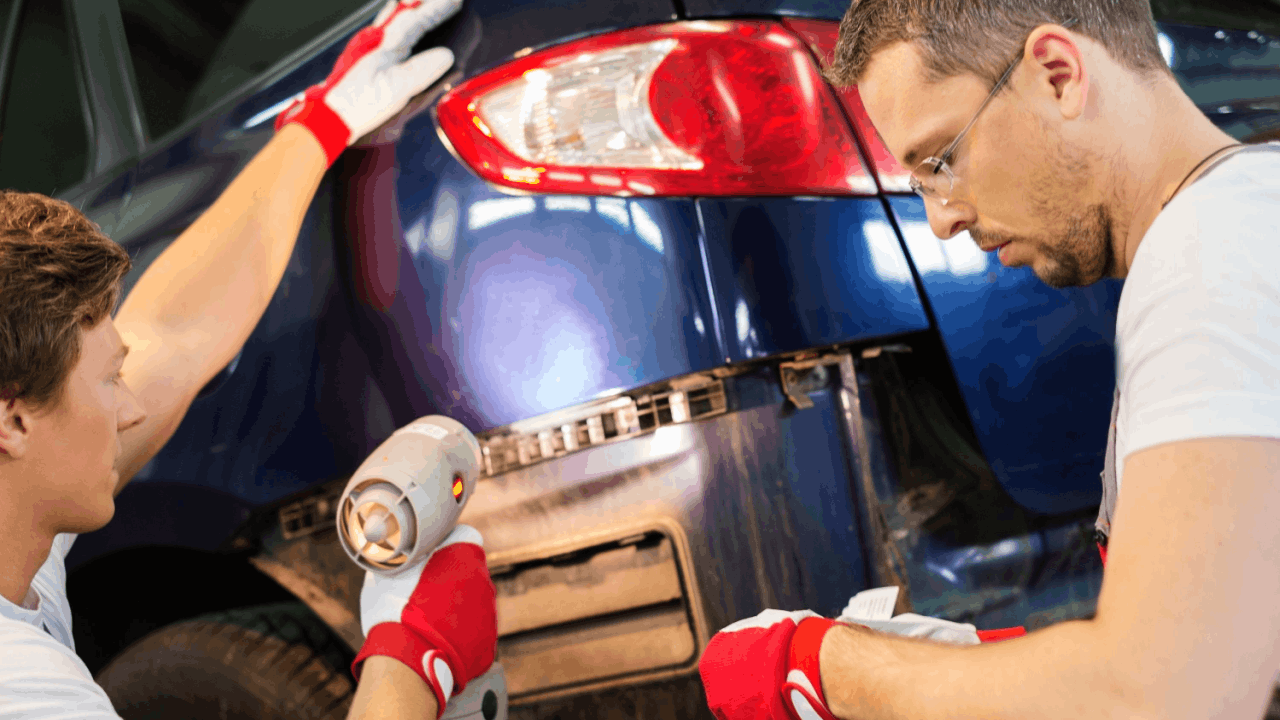
How to Choose an Auto Body Shop: Understanding What Sets Shops Apart
Not every auto body shop offers the same range of services or level of technical capability. Some facilities specialize exclusively in collision repair and structural restoration, while others focus on cosmetic services like paintless dent removal, paint correction, or custom refinishing work. Recognizing these differences before you begin your search helps you match your repair needs to the right type of facility from the start.
A full-service collision repair center typically handles structural damage, frame straightening, panel replacement, and complete vehicle refinishing. These shops are generally equipped with frame measurement systems, spray booths, and the tooling required for complex repairs. A smaller specialty shop may offer more personalized service for cosmetic work but may not have the infrastructure for serious structural damage. When you contact any shop, ask directly about their specific areas of expertise and whether they regularly work on vehicles similar to yours. This question alone can reveal a great deal about whether the facility is suited for your situation.
The physical environment of a shop also communicates important information. An organized, clean facility where vehicles are handled carefully reflects an overall approach to quality. Disorganized workspaces, vehicles left outdoors without protection, or staff who seem unwilling to take time with your questions are all indicators worth noting before you commit. Beyond technical capability, the culture of a shop matters. How staff communicate, how they handle your concerns, and whether they treat your vehicle with genuine care all factor into the overall experience. A shop that takes pride in its work will demonstrate that in how it operates day to day, not just in the quality of a finished repair.
What Industry Certifications Tell You About a Shop's Standards
Certifications serve as one of the most reliable indicators of technical competence in the auto body repair industry. They signal that technicians have completed structured training, that the shop uses recognized repair procedures, and that there is an external standard holding the facility accountable beyond its own internal practices. The Inter-Industry Conference on Auto Collision Repair, known as I-CAR, administers one of the most widely recognized training and certification programs in the collision repair field. The I-CAR Gold Class designation indicates that a shop has met ongoing role-specific training requirements across all key positions involved in the repair process — from estimators and structural technicians to refinish specialists. Many insurance carriers recognize this designation, and it is widely regarded as a meaningful benchmark for repair quality.
ASE, the National Institute for Automotive Service Excellence, certifies individual technicians in categories that include collision repair and refinishing. An ASE-certified technician has demonstrated knowledge through standardized testing and has met documented experience requirements. Shops that employ ASE-certified staff are signaling a commitment to individual-level technical competence. Manufacturer certification programs represent another important credentialing layer. Automakers including Ford, General Motors, Toyota, Honda, BMW, and others operate approved repair network programs. Shops accepted into these programs have been evaluated for their equipment, training, and adherence to brand-specific repair procedures. If your vehicle is a newer model or carries a manufacturer warranty, choosing a shop within the relevant approved network may be worth prioritizing.
It is important to understand that certifications are a starting point, not a guarantee of any specific outcome. They demonstrate that a shop has invested in training and meets defined standards, but they should be considered alongside other evaluation factors. When speaking with any shop, ask which certifications they currently hold, how recently they were renewed, and whether individual technicians carry credentials relevant to your type of repair.
Reading Repair Estimates: What to Look for Before You Sign
A written estimate is a standard part of the auto body repair process, but the value of that document depends entirely on how well you understand what it contains. Consumers who take time to read and compare estimates carefully are better positioned to evaluate shops objectively and avoid unexpected developments later in the process. A properly prepared estimate should itemize every component of the repair. This includes parts, labor hours, paint materials, and any work that may be sent to an outside vendor. When an estimate presents costs in broad, unexplained categories without breaking down individual line items, that lack of transparency warrants a follow-up conversation before you proceed.
Parts terminology is worth understanding before you review any estimate. Original equipment manufacturer parts, referred to as OEM, are produced by or to the exact specifications of the vehicle's manufacturer. They are designed to fit and perform precisely as the original components did. Aftermarket parts are manufactured by independent companies and may vary in quality, fit, and finish. Recycled or salvage parts are original components sourced from other vehicles. Knowing which category of parts a shop plans to use gives you important context for evaluating both the quality of the repair and the overall value being offered.
Supplemental estimates are a routine part of collision repair and are worth understanding in advance. An initial estimate reflects what is visible during the first inspection. Once the vehicle is disassembled, additional damage that was not visible from the outside may be discovered. A reputable shop will contact you promptly when this happens, explain what was found, and walk you through any changes to the repair scope before proceeding. Shops that proceed with additional work without prior communication are not operating transparently.
Warranties on repair work vary in scope and duration from one facility to another. Ask specifically what the shop's warranty covers, how long it applies, and what the process is for addressing any concerns after you take delivery. A shop that is confident in the quality of its work will put warranty terms in writing without hesitation. Collecting estimates from multiple shops is a practical and widely recommended approach. It gives you a reference range, helps you identify outliers in either direction, and creates opportunities to ask shops to explain their reasoning when their approach differs from others you have spoken with.
How the Auto Body Repair Process Typically Works
Understanding what happens between dropping off your vehicle and picking it up is useful for setting realistic expectations and knowing what questions to ask along the way.
The process begins with a damage assessment. A shop representative examines the vehicle to identify visible damage and develops a preliminary repair plan. In many facilities, this initial review happens in person, though some shops now offer photo-based or virtual assessments as a first step for minor damage. Once you approve the estimate and leave the vehicle, disassembly typically follows. This step involves removing panels, trim, and components to expose damage that was not accessible during the surface inspection. Disassembly is an important diagnostic step, not simply a preparation for repairs, because hidden structural damage can affect both safety and the accuracy of the original estimate.
Structural work comes next when the repair requires it. Frame straightening and structural alignment are performed using specialized measurement and pulling equipment. Restoring the vehicle's geometry to manufacturer specifications is essential for occupant safety, proper panel fitment, and the long-term performance of suspension and steering components. Panel repair and replacement follow structural work. Technicians use a combination of metalworking techniques and panel replacement to address surface damage. The scope of work at this stage depends on the extent of damage and the structural integrity of affected panels.
Surface preparation for refinishing involves cleaning, filling, priming, and sanding to create a smooth base for paint application. Color matching is performed using computer-aided systems that analyze the vehicle's existing paint and formulate a matching blend. Paint is applied in multiple stages — primer coats, color coats, and clear coats — and cured in a controlled environment, typically a dedicated spray booth. After painting, the vehicle is reassembled and a final quality inspection is conducted. Shops that perform thorough quality checks before releasing a vehicle will often walk you through the completed work and address any concerns before you take delivery.
Timelines vary based on damage complexity, parts availability, and shop scheduling. Straightforward cosmetic repairs may be completed within a few business days. Significant collision damage involving structural work, part orders, and multiple repair stages can extend the timeline considerably. A shop that communicates proactively about timeline changes is one that respects your time and your need to plan.
How to Evaluate an Auto Body Shop Before Committing
Choosing a shop is a decision that benefits from a structured approach. Walking through a consistent evaluation process gives you the information needed to compare facilities objectively. Start with reputation research. Online reviews on platforms like Google, Yelp, and the Better Business Bureau offer insight into the experiences of past customers. Look for patterns in the feedback rather than focusing on individual reviews. Consistent comments about communication, quality, or timeliness are more informative than isolated opinions.
Ask the shop about their experience with your specific vehicle make and model. Some shops have more familiarity with certain brands, particularly those with complex materials like aluminum-intensive construction or advanced driver assistance systems. Vehicles with ADAS components, such as cameras and sensors embedded in panels and bumpers, require calibration after repairs, and not all shops are equipped to perform this work. Visit the facility in person when possible. A clean, organized shop where vehicles are handled with care is a good indicator of the overall approach to quality. Pay attention to whether staff are willing to answer your questions thoroughly and whether they explain the repair process in terms you can understand.
Ask about sublet work. Some shops send certain tasks, like glass replacement, wheel alignment, or ADAS calibration, to outside vendors. Knowing when and why this happens helps you understand the full scope of who will be working on your vehicle. Request references if you are considering a shop for a significant repair. A confident, established facility should be able to connect you with past customers who can speak to their experience.
Understanding Insurance Involvement in Auto Body Repairs
Insurance plays a major role in many auto body repair situations, and understanding how that relationship works can help you advocate for yourself throughout the process.
When you file an insurance claim after an accident, your insurer will typically conduct their own assessment of the damage. This may happen through a staff appraiser, an independent adjuster, or a photo-based review process. The insurer will produce their own estimate based on this review. It is important to know that you generally have the right to choose your own repair facility, regardless of what your insurance company suggests. Some insurers operate preferred shop networks, sometimes called direct repair programs. Shops in these networks have agreements with the insurer and may offer streamlined claims processing. However, participation in a direct repair program does not automatically mean a shop offers superior quality, and you are not typically obligated to use one of these facilities.
Differences between a shop's estimate and an insurer's estimate do occur. Reputable shops have experience negotiating these differences and can communicate directly with your insurer to resolve discrepancies. Ask any shop you consider how they handle estimate disputes with insurance carriers. Understanding what your policy covers before repairs begin is also worth the time. Coverage for rental vehicles, original equipment parts, and certain types of damage varies by policy. Your insurance representative can walk you through your specific coverage details.
Common Warning Signs When Selecting an Auto Body Shop
Knowing what to avoid is just as valuable as knowing what to look for. Certain patterns indicate a shop may not meet the standard of care your vehicle deserves. Unusually low estimates can be a warning sign. When an estimate is significantly lower than others you have received, it may indicate that the shop is planning to use lower-quality parts, cut corners on labor time, or address only surface-level damage without resolving underlying structural issues.
Pressure to decide quickly is another red flag. A trustworthy shop understands that choosing a repair facility is an important decision and will give you the time you need to evaluate your options. Pressure tactics are not consistent with professional, consumer-focused service. Vague communication is a concern at any stage of the process. If a shop is unwilling to explain their repair process, provide written documentation, or answer your questions in plain language, that lack of transparency should factor into your decision.
Shops without any verifiable certifications, customer reviews, or physical address may be operating without the accountability structures that protect consumers. Always verify that a shop has a physical location, legitimate business credentials, and a traceable history of work. Reluctance to provide a written warranty on repairs is also notable. While warranty terms vary, a shop that declines to put any warranty commitment in writing is signaling limited accountability for the quality of their work.
How Digital Tools and Comparison Platforms Are Changing the Search Process
The way consumers find and evaluate auto body shops has shifted significantly in recent years. Digital tools now allow car owners to research, compare, and request quotes from multiple facilities without having to visit each one in person. Review aggregation platforms compile customer feedback across multiple sources, giving you a consolidated view of a shop's reputation. Reading through these reviews with a critical eye — looking for patterns, noting how shops respond to negative feedback, and distinguishing detailed accounts from generic comments — provides meaningful information.
Quote request platforms allow you to describe your repair needs and receive responses from multiple providers. This approach saves time and creates a useful basis for comparison. When using these platforms, provide as much detail as possible about your vehicle and the nature of the damage to receive the most accurate responses. Social media and community forums are also increasingly useful. Local neighborhood groups and vehicle-specific communities often have firsthand recommendations and cautionary accounts from drivers in your area. These peer-to-peer insights can complement the information you gather from formal review platforms.
When evaluating any information you find online, cross-reference across multiple sources. A single positive or negative account is less meaningful than a consistent pattern across many independent sources. Understanding how to use these tools effectively puts you in a stronger position to evaluate options before committing to any single shop.
Making a Confident Choice: What to Prioritize
Choosing an auto body shop comes down to a combination of credentials, communication, transparency, and fit for your specific repair needs. No single factor tells the whole story, but together, these elements create a reliable picture of what a shop offers. Prioritize shops that are certified by recognized industry organizations, communicate clearly at every stage of the process, provide detailed written estimates, and offer a documented warranty on their work. A shop that welcomes your questions and explains their process openly is one that values your trust and takes their responsibility seriously.
Take the time to compare at least two or three shops before making a final decision. The investment of time at this stage is worthwhile given the impact that repair quality has on your vehicle's safety, value, and performance.
Find Verified Auto Body Shops and Request Quotes Through NextQuote
NextQuote is designed to make the process of finding and comparing auto body shops more straightforward and stress-free. The platform connects car owners with verified professionals, allowing you to request quotes, review provider profiles, and compare service offerings all in one convenient place — saving you time and giving you greater confidence in your decision.
Whether you are dealing with collision damage, paint work, or structural repairs, NextQuote helps you access multiple options without the time investment of contacting each shop individually. No more making endless phone calls or visiting multiple locations just to gather basic pricing information. Instead, you get a streamlined experience that puts the right providers in front of you based on your specific needs and location.
Explore verified auto body providers in your area, review their credentials, certifications, and service scope, and use the platform to make informed comparisons side by side. Every listed provider goes through a verification process, so you can browse with confidence knowing you are dealing with legitimate, qualified professionals. When you are ready to move forward, simply request quotes today and take the first step toward getting your vehicle the care it deserves.
Frequently Asked Questions
-
What should I ask an auto body shop before authorizing repairs?
When learning how to choose an auto body shop, ask about their certifications, the type of parts they plan to use, whether they perform all work in-house, how they handle supplemental damage discovered during disassembly, and what warranty they provide on completed repairs. Getting answers in writing is advisable.
-
How do I know if an auto body shop is reputable?
A reputable auto body shop will hold recognized certifications such as I-CAR Gold Class or manufacturer approvals, have a verifiable history of customer reviews, provide transparent written estimates, and communicate clearly throughout the repair process. Independent verification through the Better Business Bureau is also a useful step.
-
Do I have to use the shop my insurance company recommends?
In most cases, you have the right to choose your own auto body shop regardless of your insurer's recommendation. Insurance companies may have preferred networks, but participation in those programs does not obligate you to use them. Confirming your rights under your specific policy with your insurer is advisable.
-
What is the difference between OEM and aftermarket parts?
OEM parts are manufactured by or to the specifications of your vehicle's original manufacturer. Aftermarket parts are produced by independent manufacturers and may vary in fit, finish, and quality. Knowing which type of parts a shop plans to use before authorizing repairs helps you understand what to expect from the finished work.
-
How long does auto body repair typically take?
Repair timelines vary based on the extent of the damage, parts availability, and shop workload. Minor cosmetic repairs may be completed within a few days, while significant structural or collision repairs can take several weeks. A reputable shop will provide a timeline estimate and communicate any changes promptly.
Key Takeaways
-
Verifying a shop's certifications, including I-CAR Gold Class and manufacturer approvals, is one of the most reliable ways to evaluate technical competence before committing.
-
Reading a detailed written estimate carefully — including part types, labor breakdown, and warranty terms — helps you avoid unexpected issues during or after the repair process.
-
You generally have the right to choose your own repair facility regardless of insurer recommendations, making independent research an important step.
-
Red flags such as unusually low estimates, pressure to decide quickly, and vague communication are indicators that a shop may not meet professional standards.
-
Using comparison platforms and review aggregation tools allows you to evaluate multiple verified shops efficiently and make a more informed hiring decision.