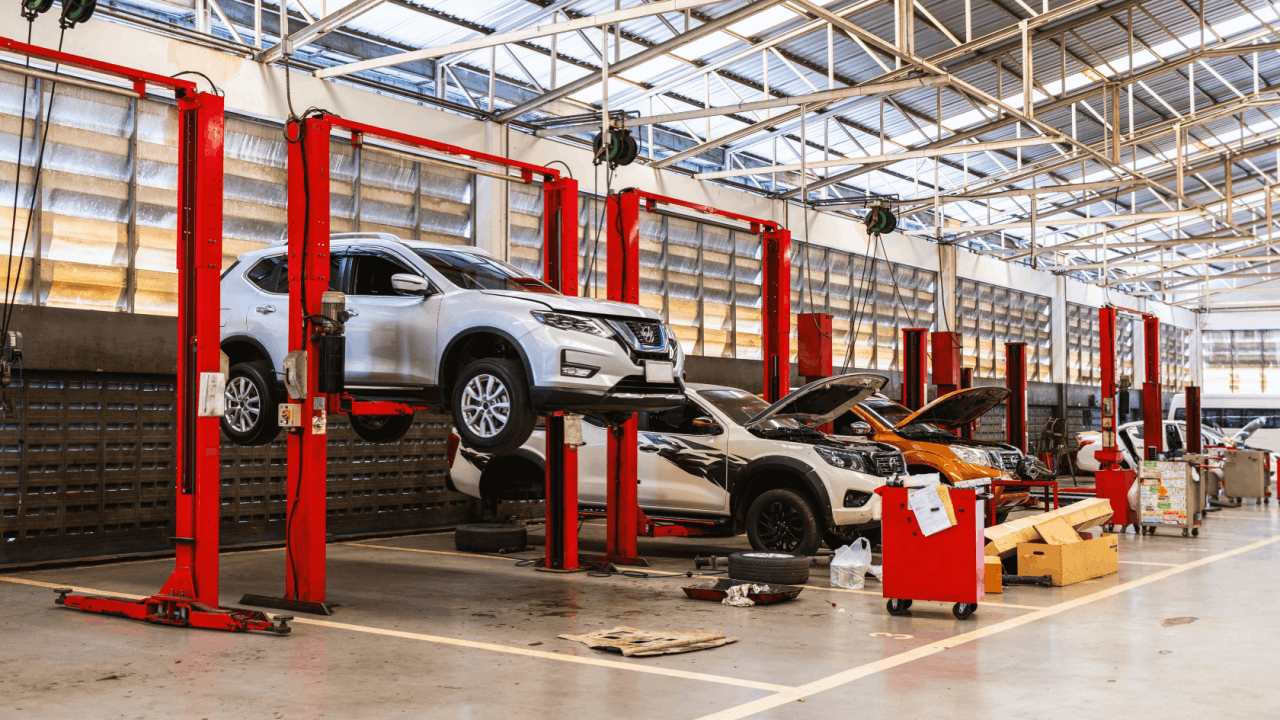
How to Choose an Auto Repair Shop: Starting With the Right Questions
The foundation of a smart search for an auto repair shop starts with asking the right questions before any work begins. Many car owners make the mistake of choosing a shop based solely on location or price without gathering the information that actually determines whether a facility is trustworthy and capable. The first question worth asking any shop is whether their technicians hold current ASE certifications. ASE, the National Institute for Automotive Service Excellence, is the primary credentialing body for automotive service professionals in the United States. Technicians who hold ASE certifications have passed standardized exams in specific areas of vehicle repair and have met documented work experience requirements. Shops that employ ASE-certified technicians are making a verifiable commitment to professional standards.
Ask specifically which ASE certifications are held by the technicians who will work on your vehicle. ASE offers certifications across multiple categories, including engine repair, electrical systems, brakes, suspension and steering, heating and air conditioning, and more. A technician who holds multiple ASE credentials in areas relevant to your repair has demonstrated broad competence, not just a general familiarity with vehicles. Beyond certifications, ask about the shop's experience with your specific vehicle make, model, and year. Modern vehicles vary significantly in their technology, construction materials, and onboard systems. A shop that regularly works on your type of vehicle will have relevant experience, appropriate tooling, and access to technical service information specific to that platform.
Ask whether the shop uses manufacturer-recommended repair procedures. Many vehicle manufacturers publish detailed repair information that specifies the correct methods, materials, and torque specifications for every service and repair task. Shops that reference and follow this documentation are demonstrating a commitment to doing the job correctly rather than relying on general assumptions about how a repair should be performed.
Understanding Auto Repair Licensing and Regulatory Oversight
One of the most important things to understand when selecting an auto repair shop is how the industry is regulated and what licensing requirements exist in your state. This knowledge helps you verify that a shop is operating legitimately and gives you a framework for holding them accountable if problems arise. In California, auto repair dealers are regulated by the Bureau of Automotive Repair, commonly referred to as the BAR. The BAR operates under the California Department of Consumer Affairs and oversees licensing, complaint resolution, and consumer protection for automotive repair businesses throughout the state. Any shop performing automotive repair for compensation in California is required to hold a valid BAR license.
Verifying a shop's BAR license is a straightforward step that every California consumer can take. The Bureau maintains a public database where you can confirm that a facility holds a current license and review any complaint or enforcement history associated with that license. Taking a few minutes to run this check before leaving your vehicle with any shop is a simple but meaningful due diligence step. Other states have their own regulatory frameworks for automotive repair businesses. Regardless of where you are located, checking with your state's consumer protection agency or department of motor vehicles about repair shop licensing requirements in your area is worthwhile. Licensed shops are subject to oversight that unlicensed operations are not, and that accountability matters when disputes arise.
Shops that hold manufacturer service center designations operate under an additional layer of oversight. Dealership service departments, for example, are required to follow manufacturer service standards and use approved procedures and parts. Independent shops that hold manufacturer authorization for specific brands are similarly accountable to those brands' standards in addition to state licensing requirements.
Understanding these regulatory layers does not make your decision for you, but it gives you a concrete way to verify that any shop you consider is operating within the established framework designed to protect consumers.
What Repair Orders and Written Authorizations Actually Protect
One of the most important consumer protections in auto repair is the requirement for written documentation of authorized work. Understanding how this process works — and insisting on it — protects you from being charged for work you did not approve.
California's Automotive Repair Act requires that shops provide customers with a written estimate before beginning any repair work, provided the customer requests one or the estimated cost exceeds a specified threshold. This written estimate must itemize the work to be performed and the parts and labor costs associated with that work. The shop is required to obtain your authorization before proceeding and is prohibited from charging for work that falls outside the scope of what you approved. A repair order is the document that authorizes the shop to begin work. It should clearly describe the problem you are bringing the vehicle in for, the diagnostic steps the shop will take, and the estimated cost of repairs. Before signing any repair order, read it carefully and confirm that it accurately reflects what you have discussed with the service advisor.
If a shop discovers additional problems during the repair process, they are required to contact you before proceeding with any work beyond what was originally authorized. You have the right to approve or decline any additional repairs before they are performed. Shops that perform unapproved work and then charge for it are operating outside the legal framework governing automotive repair. Request a copy of the final repair order when you pick up your vehicle. This document serves as your record of what was done, what parts were used, and what you paid. It is also important for warranty purposes. Most reputable shops provide this documentation as a matter of standard practice, but always confirm you receive a complete copy before leaving.
Keeping your repair documentation organized over time gives you a useful service history for your vehicle and supports warranty claims if any of the completed work requires follow-up attention.
How Diagnostic Processes Work and Why They Matter
Accurate diagnosis is the foundation of effective auto repair. A repair that addresses the wrong cause of a problem wastes time and money and leaves the actual issue unresolved. Understanding how diagnostic processes work helps you evaluate whether a shop is approaching your vehicle's problems methodically. Modern vehicles are equipped with onboard diagnostic systems that store fault codes when sensors detect abnormal operating conditions. A technician retrieves these codes using a scan tool, which provides a starting point for diagnosis. It is important to understand that fault codes identify which system or circuit is reporting an abnormality — they do not directly identify the specific failed component. A skilled technician uses the code as a lead and performs additional testing to pinpoint the actual cause.
Shops that recommend replacing parts based solely on fault codes without performing further diagnostic testing are skipping the step that confirms the diagnosis. This approach can result in unnecessary part replacements and repeat visits for the same problem. When a shop recommends a repair, ask them to explain the diagnostic process they followed to reach that conclusion. Intermittent problems — issues that do not occur consistently — are among the most challenging to diagnose. These require experienced technicians who know how to use diagnostic equipment to capture data when the problem occurs, review historical fault data, and systematically test systems under the conditions that trigger the issue. A shop's willingness to take time with a difficult diagnostic challenge rather than guessing is a meaningful indicator of their commitment to accuracy.
Diagnostic fees are standard practice and reflect the time and skill required to properly evaluate a vehicle's condition. A shop that waives diagnostic fees entirely may be cutting short the process needed to reach an accurate conclusion. Understanding that thorough diagnosis has real value helps you evaluate a shop's approach more accurately.
Evaluating an Auto Repair Shop Before You Hand Over Your Keys
Choosing the right auto repair shop involves more than reading reviews online. A structured evaluation approach gives you the information needed to compare facilities on consistent terms and make a decision based on verified factors rather than surface impressions.
Start by visiting the shop in person before scheduling any work. The state of the facility tells you a great deal about how the business is run. A well-organized shop where tools are properly stored, vehicles are protected from weather and contamination, and the workspace is maintained reflects an operational standard that typically carries through to the quality of the repairs themselves. Pay close attention to how service staff communicate with you during this initial visit. Do they listen carefully to your description of the problem? Do they ask follow-up questions? Do they explain technical information in terms you can understand without being condescending? Communication quality is a reliable predictor of how well a shop will keep you informed throughout the repair process.
Ask about the shop's process for keeping customers updated during repairs. A reputable shop will have a clear system for notifying you when diagnostic results are ready, when additional work is needed, and when your vehicle will be available for pickup. Shops that go quiet once you drop off your vehicle and only call when the bill is ready are not operating with the transparency that informed customers deserve. Research the shop's reputation using multiple independent sources. Google reviews, Yelp, and the Better Business Bureau each offer different perspectives. Focus on patterns in the feedback — consistent comments about accuracy, communication, and follow-through carry more weight than a handful of extreme reviews in either direction. Note whether the shop responds to reviews, particularly critical ones, and how they handle those responses.
Ask whether the shop offers a warranty on parts and labor. Warranty terms vary by shop and by repair type, so ask for specifics in writing rather than accepting a general assurance. A shop that is willing to document its warranty commitments is one that is confident in the quality of its work.
Parts, Labor, and Service Transparency: What to Expect
Understanding how parts and labor are priced in auto repair helps you evaluate estimates more accurately and ask the right questions when something in a quote seems unclear. Auto repair shops source parts through several channels. New OEM parts, produced by or to the specifications of the vehicle's original manufacturer, are designed for exact fit and performance. New aftermarket parts are manufactured by independent suppliers and can vary in quality and compatibility. Remanufactured parts are original components that have been rebuilt to meet specific performance standards. Used parts sourced from salvage vehicles are another option for certain repairs. Each category carries different implications for fit, function, and longevity.
When reviewing an estimate, confirm which type of parts the shop plans to use and why. A reputable shop will explain their parts sourcing decisions and discuss options with you if you have preferences. Shops that are vague about parts sourcing or resistant to discussing alternatives are not operating with the transparency you should expect. Labor time in auto repair is typically calculated using a labor guide, which is an industry reference that establishes standard times for specific repair procedures. These times are based on the work performed on a properly equipped, accessible vehicle under normal conditions. Shops charge labor based on the book time for a procedure, not always the actual clock time a specific technician takes to complete it. Understanding this helps you interpret labor line items on an estimate more accurately.
Ask about the shop's labor rate and how it is applied when reviewing any estimate. Some repairs require significant disassembly to access a component, and that disassembly time will be reflected in the labor charge. A thorough estimate will break this down clearly so you can see what work is being performed and why the labor time is what it is.
Red Flags That Signal a Shop Is Not Worth Your Trust
Recognizing the warning signs of a poorly run or unethical auto repair shop is as important as knowing what to look for in a good one. Certain patterns consistently indicate that a facility is not operating in the consumer's best interest.
Recommending repairs without being able to explain the diagnostic process that led to that recommendation is a significant concern. If a service advisor cannot walk you through how they determined that a specific part has failed, that is a signal that the recommendation may not be grounded in accurate diagnosis. Pressure to approve repairs immediately, particularly when framed as urgent safety concerns, warrants careful attention. While some repairs do involve genuine safety considerations, legitimate shops present that information factually and give you time to make an informed decision. Shops that apply high-pressure tactics to rush you into approvals are prioritizing the transaction over your interests.
Vague or verbal-only estimates are another warning sign. California law and consumer best practices both support written documentation of repair authorizations. A shop that resists providing written estimates or seems reluctant to put agreed-upon terms in writing is not operating transparently. Difficulty reaching the shop during the repair process — unanswered calls, delays in returning messages, or inconsistent information from different staff members — is a practical indicator of operational disorganization that often corresponds to quality issues in the repair work itself.
Shops that return vehicles with new problems that were not present at drop-off, and then become defensive or evasive when you raise those concerns, are demonstrating an unwillingness to take responsibility that should factor into any future decisions about whether to return.
Making a Well-Informed Decision About Your Auto Repair Shop
Choosing an auto repair shop with care is an investment that pays off in accurate repairs, clear communication, and a professional relationship you can rely on over time. The factors that matter most — technician credentials, regulatory compliance, transparent documentation, and consistent communication — are all things you can verify before you commit to any facility.
Take time to evaluate at least two or three shops before making a decision, particularly for major repairs. The effort involved in that comparison is worthwhile given the impact that repair quality has on your vehicle's safety, reliability, and long-term value. A shop that earns your trust through transparency and quality work is one worth returning to, and that kind of ongoing relationship with a reliable repair facility is genuinely valuable for any car owner.
Find Trusted Auto Repair Shops and Compare Providers on NextQuote
Trusted repair platform connects car owners with verified auto repair professionals, making it easier to compare providers, review credentials, and gather quotes without the hassle of contacting each shop individually. Whether you need routine maintenance, diagnostic services, or a more complex repair, the platform gives you a structured and efficient way to evaluate all your options side by side — all from the comfort of your own home.
Finding a reliable auto repair shop can be a time-consuming and often frustrating process, especially when you are dealing with unexpected vehicle issues. That is where NextQuote steps in. By bringing verified providers together in one place, the platform removes the guesswork and helps you focus on what matters most — getting quality service at a fair price. Join verified professionals and gain immediate access to a network of qualified specialists ready to assist with your specific repair needs.
Explore verified auto repair shops in your area, review their service offerings and credentials, and compare everything side by side before making a decision. Having multiple options in front of you at once empowers you to make a more informed and confident choice about who will work on your vehicle. When you are ready to get started, explore service options and take the first step toward a smoother, more transparent repair experience.
Frequently Asked Questions
-
What credentials should I look for when choosing an auto repair shop?
When learning how to choose an auto repair shop, look for ASE-certified technicians, a valid state repair dealer license, and any manufacturer-specific service authorizations relevant to your vehicle. Shops that can verify these credentials openly are demonstrating a level of accountability that supports informed consumer decision-making.
-
Is an auto repair shop required to provide a written estimate?
In California, auto repair shops are generally required under the Automotive Repair Act to provide a written estimate before beginning work when requested by the customer or when costs exceed a defined threshold. Consumers should always request a written estimate and review it carefully before signing any repair authorization.
-
How can I verify that an auto repair shop is properly licensed?
In California, you can verify a shop's license through the Bureau of Automotive Repair's public online database. This resource allows consumers to confirm a current license status and review any complaint or enforcement history associated with a specific facility, which is a straightforward step in evaluating any shop.
-
What should I do if an auto repair shop performs work I did not authorize?
If an auto repair shop charges for work you did not approve, you have consumer protections available through your state's regulatory agency. In California, the Bureau of Automotive Repair handles complaints related to unauthorized repairs and other violations of the Automotive Repair Act. Documenting all communications and keeping copies of your repair orders supports any complaint you file.
-
Why do some auto repair shops charge a diagnostic fee?
Diagnostic fees reflect the time and expertise required to properly evaluate a vehicle's condition using professional scan tools, technical service information, and systematic testing procedures. When choosing an auto repair shop, a diagnostic fee is generally a sign that the shop performs thorough evaluations rather than guessing at causes, which leads to more accurate repair recommendations.
Key Takeaways
-
Verifying ASE certifications and state licensing through official sources gives you a concrete, factual basis for evaluating any auto repair shop before committing.
-
Insisting on written repair authorizations before any work begins is a fundamental consumer protection that reputable shops support without resistance.
-
Accurate diagnosis requires more than retrieving fault codes — experienced technicians follow a systematic process to confirm the actual cause before recommending any repair.
-
Red flags including pressure tactics, vague estimates, and poor communication during the repair process are consistent indicators that a shop is not prioritizing your interests.
-
Using comparison platforms like NextQuote allows you to evaluate multiple verified providers side by side, making the selection process more efficient and better informed.